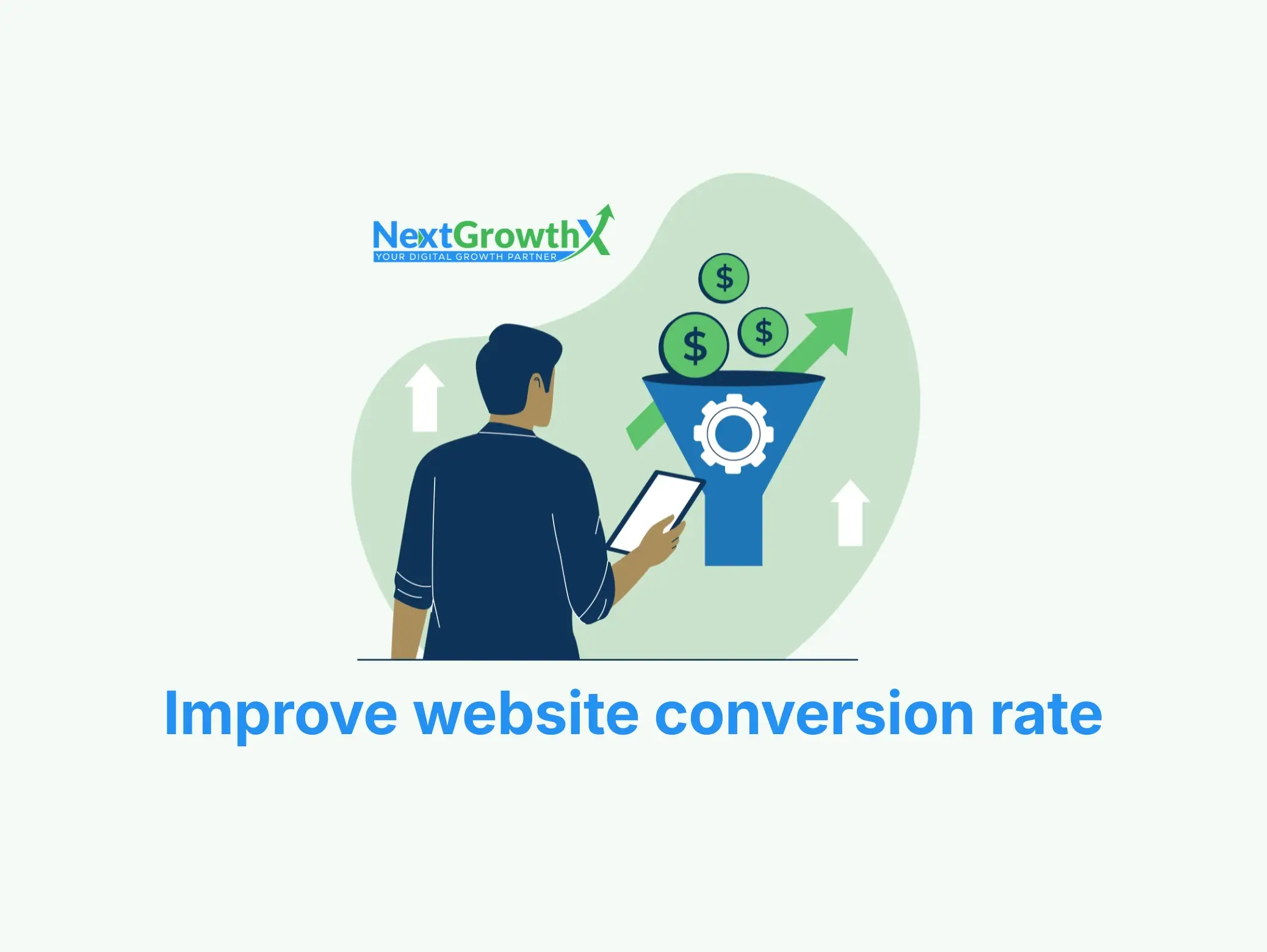
Getting traffic to a website is only part of the job. The bigger challenge is turning those visitors into real results.
A website may receive thousands of visitors every month, but if people leave without taking action, the traffic has little business value. That’s why businesses constantly look for ways to understand how to improve website conversion rate effectively.
Conversion rate optimization is not about tricks or flashy design. It’s about understanding user behavior, reducing friction, and helping visitors move naturally toward action.
This guide explains practical and proven ways to improve conversions without making your website feel aggressive or overloaded.
Why Many Websites Get Traffic but Few Conversions
A website can look visually impressive and still perform poorly.
In many cases, low conversions happen because:
- The message is unclear
- Visitors don’t trust the business
- The design creates confusion
- The page loads slowly
- Calls-to-action are weak
- Mobile experience is poor
Conversion problems are often caused by small usability issues rather than major technical failures.
Improve Website Messaging First
One of the fastest ways to improve conversions is improving clarity.
When visitors land on your website, they should immediately understand:
- What you do
- Who you help
- Why they should care
- What action to take next
Many websites use vague headlines like:
“Creative Digital Solutions”
That sounds professional, but it says almost nothing.
Clear messaging performs better:
“We Build Fast, SEO-Friendly Websites for Local Businesses”
When learning how to improve website conversion rate, messaging should always come before design changes.
Make Your Call-to-Action Clear
Visitors should never wonder what to do next.
Strong calls-to-action guide users naturally.
Weak CTA examples:
- Learn More
- Explore
- Continue
Stronger CTA examples:
- Get a Free Quote
- Book a Consultation
- Start Your Project
- Request Pricing
Good CTAs are:
- Specific
- Easy to notice
- Action-focused
Your website should have clear CTAs throughout the page, not just at the bottom.
Improve Website Speed
Slow websites reduce conversions quickly.
People expect pages to load fast. Even small delays can increase bounce rates.
Common speed problems include:
- Oversized images
- Too many scripts
- Heavy animations
- Poor hosting
- Too many plugins
Improving speed helps both SEO and conversion rate optimization.
When businesses research how to improve website conversion rate, speed is one of the highest-impact improvements they can make.
Build Trust Immediately
Visitors will not convert if they don’t trust your business.
Trust signals help reduce hesitation.
Examples include:
- Testimonials
- Reviews
- Case studies
- Client logos
- Certifications
- Real team photos
- Secure payment badges
Many websites wait too long to show credibility.
Trust should appear early on the page, especially near forms or pricing sections.
Simplify Navigation
Complicated navigation creates confusion.
If users struggle to find information, they often leave instead of exploring further.
Good navigation should:
- Be simple
- Use clear labels
- Reduce unnecessary menu items
- Highlight important pages
A clean structure improves user flow and helps conversions.
Improve Mobile Experience
A large percentage of visitors come from mobile devices.
If your mobile design feels difficult:
- Users leave faster
- Forms become frustrating
- Buttons become harder to tap
Mobile optimization includes:
- Readable text
- Proper spacing
- Fast loading
- Responsive layouts
- Simple forms
Any strategy focused on how to improve website conversion rate must prioritize mobile usability.
Reduce Form Friction
Long forms reduce conversions.
Many businesses ask for too much information too early.
Instead of:
- Full address
- Company size
- Multiple dropdowns
Start with:
- Name
- Short message
The easier the form feels, the more likely users complete it.
Use Better Landing Pages
Homepage traffic doesn’t always convert best.
Dedicated landing pages often perform better because they focus on:
- One audience
- One message
- One action
Landing pages remove distractions and improve clarity.
Good landing pages include:
- Clear headline
- Benefits-focused content
- Trust signals
- Strong CTA
- Simple structure
Focus on Benefits Instead of Features
Visitors care more about outcomes than technical details.
Feature-focused:
“We use advanced development systems.”
Benefit-focused:
“Your website loads faster and converts more visitors.”
When improving conversions, explain:
- What problem you solve
- How life becomes easier
- What result users can expect
This makes the content feel more relevant.
Use Real Images When Possible
Stock photos often feel generic.
Real business photos build authenticity:
- Team photos
- Workspace images
- Project screenshots
- Real customer examples
Human visuals help visitors connect emotionally with the business.
Improve Readability
People scan websites quickly.
Large text blocks reduce engagement.
Improve readability with:
- Short paragraphs
- Clear headings
- Bullet points
- Simple language
- Proper spacing
Easy-to-read content keeps users moving through the page.
Add Social Proof Strategically
Social proof reduces uncertainty.
Examples:
- “Trusted by 200+ businesses”
- Client testimonials
- Google reviews
- Project statistics
Place social proof near:
- Contact forms
- Pricing sections
- CTA buttons
This helps reinforce confidence before action.
Create Better Service Pages
Many service pages are too generic.
Weak service pages describe services broadly without explaining value.
High-converting pages explain:
- The problem
- The solution
- The process
- The expected outcome
Strong service pages improve both SEO and conversion rate.
Improve Above-the-Fold Content
The top section of the page matters heavily.
Visitors decide quickly whether to continue scrolling.
Your above-the-fold section should include:
- Clear headline
- Short supporting text
- Strong CTA
- Trust indicator
Avoid clutter or overly complicated hero sections.
Use Conversion-Focused Design
Design should guide attention naturally.
Good conversion-focused design includes:
- Visual hierarchy
- Clear spacing
- CTA contrast
- Clean layouts
Too many colors, animations, or competing elements reduce focus.
Test Different CTAs and Layouts
Conversion optimization is not always about massive redesigns.
Small tests can create noticeable improvements.
You can test:
- CTA wording
- Button placement
- Headlines
- Form lengths
- Section order
Testing helps identify what users respond to best.
Improve Product or Service Descriptions
Visitors need clarity before making decisions.
Instead of generic descriptions:
“We provide high-quality solutions.”
Use practical explanations:
“We design SEO-friendly websites that help businesses generate more leads.”
Specificity improves trust and conversions.
Make Contact Information Easy to Find
Some websites hide contact information too deeply.
Visible contact details improve trust:
- Phone number
- Contact form
- Business address
Easy communication reduces hesitation.
Use Strong Internal Linking
Internal links help visitors discover relevant pages.
Examples:
- Related services
- Case studies
- Blog posts
- Pricing pages
This keeps users engaged longer and improves conversion opportunities.
Improve Website Consistency
Inconsistent branding or messaging creates doubt.
Your:
- Colors
- Fonts
- Tone
- Messaging
should feel unified across the website.
Consistency creates professionalism and trust.
Understand User Intent
Different visitors want different things.
Some want information.
Some want pricing.
Some want fast contact.
Understanding user intent helps create pages that match visitor expectations more effectively.
Common Conversion Rate Mistakes
Too Many CTAs
Too many competing actions create confusion.
Weak Headlines
Generic headlines reduce engagement.
Poor Mobile Design
Mobile frustration kills conversions quickly.
Slow Loading
Performance issues increase bounce rates.
Lack of Trust Signals
Visitors hesitate without proof or credibility.
SEO and Conversion Rate Work Together
SEO brings visitors. Conversion optimization turns them into leads or customers.
A website should not focus on only one side.
Good SEO without conversions wastes traffic.
Good conversions without traffic limit growth.
Understanding how to improve website conversion rate helps businesses maximize the value of existing traffic instead of only chasing more visitors.
Practical Website Conversion Checklist
Messaging
- Clear headline
- Strong value proposition
- Benefits-focused content
Design
- Clean layout
- Mobile-friendly
- Fast loading
Trust
- Testimonials
- Reviews
- Client logos
CTA
- Clear buttons
- Action-focused wording
- Multiple placements
Forms
- Short and simple
- Easy to complete
Final Thoughts
Improving conversions is not about copying trends or adding flashy effects. It’s about making the website easier to understand, easier to trust, and easier to use.
The best-performing websites usually do simple things very well:
- Clear messaging
- Fast performance
- Strong trust signals
- Easy navigation
- Focused CTAs
Businesses that understand how to improve website conversion rate can generate better results without always increasing traffic.
Small improvements in clarity, usability, and trust often create bigger business impact than major redesigns.
Frequently Asked Questions
What is a good website conversion rate?
It depends on the industry, but many websites aim for conversion rates between 2% and 5%.
How do I improve website conversion rate quickly?
Start by improving messaging, CTA clarity, mobile usability, and page speed.
Does website speed affect conversions?
Yes. Slow websites often increase bounce rates and reduce user trust.
Why are visitors leaving without converting?
Common reasons include unclear messaging, weak trust signals, poor navigation, or confusing layouts.
Do testimonials help website conversions?
Yes. Testimonials and reviews help build trust and reduce hesitation.
Should every page have a CTA?
Most important pages should guide users toward a next step or action.